




Project Overview
Hospital waste pyrolysis provides an innovative, safe, and eco-friendly solution for managing medical and biomedical waste generated by hospitals, clinics, and laboratories. Instead of incineration—which releases toxic emissions such as dioxins and furans—pyrolysis treats hospital waste in an oxygen-free environment, converting it into valuable resources such as pyrolysis oil, gas, and char. This technology not only reduces infection risks but also recycles hazardous waste into usable energy.
Objectives
- Safely dispose of infectious and hazardous hospital waste.
- Minimize environmental and health risks associated with incineration and landfilling.
- Recover energy and useful by-products from waste.
- Ensure compliance with strict medical waste disposal regulations.
Outcomes / Results
- Safe treatment of infectious hospital waste, preventing disease transmission.
- Conversion of harmful waste streams into usable energy sources.
- Reduced dependency on costly and polluting incinerators.
- Long-term economic sustainability with payback in 2–3 years.
Technology Used
ProcessHigh-temperature pyrolysis under oxygen-free conditions
Emission ControlAdvanced gas scrubbing, HEPA filtration, and condensation units for safe and clean operation
Operating Temperature500–800 °C (depending on waste composition)
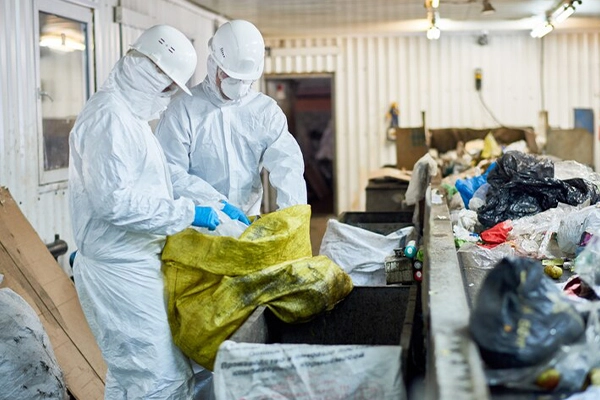
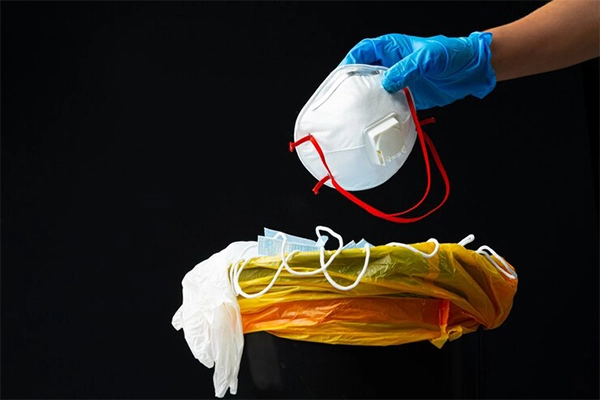
Waste TreatedContaminated plastics, packaging materials, PPE (masks, gloves, gowns), syringes, sharps, and other non-recyclable medical items
Implementation Steps
1.Collection & Pre-treatmentSegregation of hospital waste
2.Feeding SystemAutomated handling to minimize human exposure
3.Pyrolysis ProcessControlled heating in absence of oxygen, breaking down hazardous waste
4.Product Recovery

No Comment